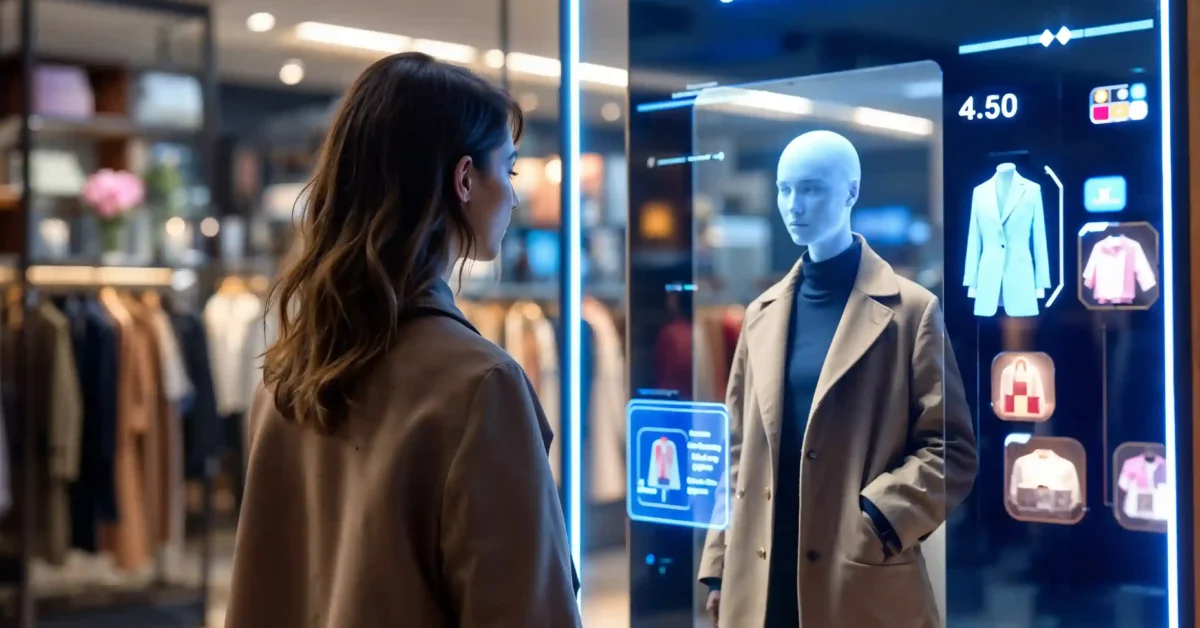
Have you ever felt that most online stores show the same products to everyone, even when our tastes are different?
You are not alone — and this is exactly what will change in 2026.
Short answer:
Ecommerce in 2026 will not look like the old “browse-product-add to cart” system. Online shops will use AI-driven personalization to give every customer a unique shopping experience based on their style, budget, and interests — just like a smart personal assistant.
What Is AI-Driven Personalization in Ecommerce? (Simple meaning)
It means that ecommerce websites will change their layout, products, and offers automatically based on each shopper.
No two customers will see the same homepage or product page.
Why This Matters for Business Owners in 2026
- Higher conversion rates because users see what matches their needs instantly
- Reduced cart abandonment because purchase decisions become faster
- Better customer loyalty due to tailored shopping experiences
- Improved revenue because every visitor is treated like a VIP
Fact: According to a 2025 report by Bloomreach, ecommerce personalization — including AI-driven customization — often increases sales by 5% to 25%.
How Ecommerce Web Development Will Change in 2026
Traditional ecommerce development focuses on:
- Product pages
- Checkout pages
- Filters and categories
But web ecommerce development in 2026 will add:
- AI engines that predict buying behavior
- Smart product recommendations
- Personalized homepage feeds
- Price optimization based on customer intent
- AI-powered support with human-like chat
2026 Ecommerce Website Structure — Old vs New
| Element | Traditional Ecommerce | 2026 Ecommerce |
| Homepage | Same for all users | Personalized based on preference |
| Product Listing | Basic filters | Smart filters based on browsing behavior |
| Offers | Flat discounts | Customized pricing |
| Support | Chatbot FAQ | AI assistant that learns from past interactions |
| Marketing | Mass email campaigns | Hyper-personalized messages |
Examples of 2026 Shopping Experiences
| Customer | Traditional Experience | 2026 Experience |
| Shoes buyer | Browses many categories | Website shows only styles in their size and taste |
| Gift shopper | Searches many products | System shows top 5 suitable items + delivery time |
| Fitness buyer | Needs to compare prices | AI recommends plans based on goals and budget |
Key Features a 2026-Ready Ecommerce Website Needs
1. AI-Personalized Homepage
Smart feed based on:
- Recent searches
- Budget range
- Current interests
2. Smart Product Suggestions
Real-time recommendations that change while browsing.
3. Predictive Search
Search bar that shows results before typing fully.
4. Personalized Pricing
Discounts and offers based on customer loyalty.
5. AI-Powered Support
Virtual assistant that solves queries instantly.
Call-Out Tip (Very Important)
The fastest-growing ecommerce brands focus on personalization before design.
A beautiful website without personalization will lose buyers in 2026.
Tech Stack for Ecommerce Development in 2026
- AI recommendation engines
- Shopify + AI extensions
- Magento Headless Commerce
- Python-based behavior tracking
- Personalization APIs such as Dynamic Yield, Nosto, and Bloomreach
Who Should Upgrade to 2026 Ecommerce Model?
- Startup founders building their first ecommerce website
- Brands that feel traffic is coming but sales are low
- Shopify stores with low repeat purchase rate
- Traditional stores planning to sell online
Cost of Building AI-Driven Ecommerce Website in 2026
| Type | Estimated Cost |
| Basic Store + AI suggestions | $5,000 – $12,000 |
| Mid-level AI ecommerce | $12,000 – $35,000 |
| Enterprise personalization + apps | $35,000+ |
Cost varies based on features, CRM integrations, and Shopify or custom development.
Who Can Build a 2026-Ready Ecommerce Website?
You need a development partner who knows:
- AI automation in ecommerce
- Shopify web development
- Customer psychology
- Personalized UX design
A normal ecommerce developer can build pages.
A 2026 ecommerce developer builds experiences.
FAQs (People Also Ask Style)
1. What is AI-driven ecommerce personalization?
It means the website changes based on shopper behavior, showing products and offers that suit each user.
2. Will personalization replace traditional ecommerce layouts?
Not completely, but businesses that switch early will get higher conversions and customer loyalty.
3. Which platforms are best for personalized ecommerce?
Shopify, Magento, WooCommerce, and headless ecommerce systems with AI integrations.
4. Does personalization help small ecommerce stores?
Yes. AI suggests products that convert better, so even small stores see a big increase in revenue.
5. How long does it take to build a 2026-ready ecommerce website?
4–10 weeks depending on customization, AI features, and number of products.
6. What gives the fastest ROI in ecommerce?
Personalized recommendations and AI-powered offers show the fastest jump in conversions.
7. Do businesses need an app in addition to a website?
Not always, but ecommerce app development helps with repeat purchases and loyalty.
Conclusion
Online shopping in 2026 will feel like purchasing with the help of a smart personal assistant.
A website that learns from customer behavior will always outperform a static online store.
If you want to understand how AI-driven personalization can increase your online sales, you can request a free consultation (Contact-Us link), and our team will guide you based on your goals and products.